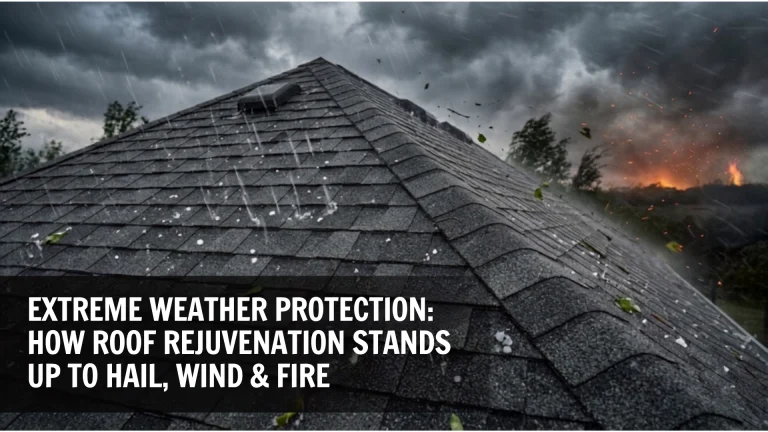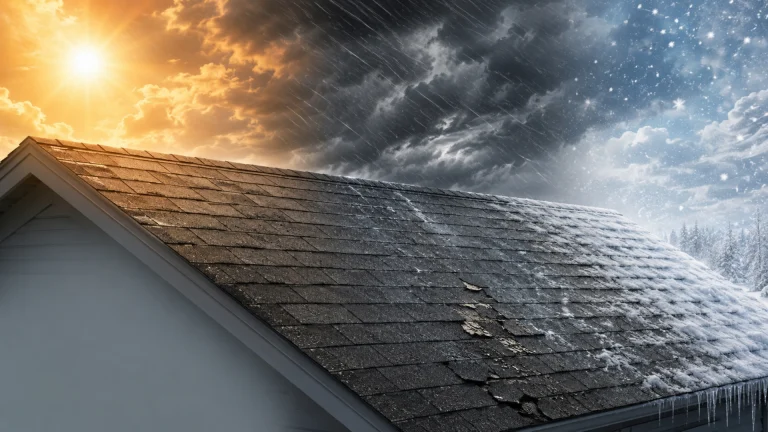
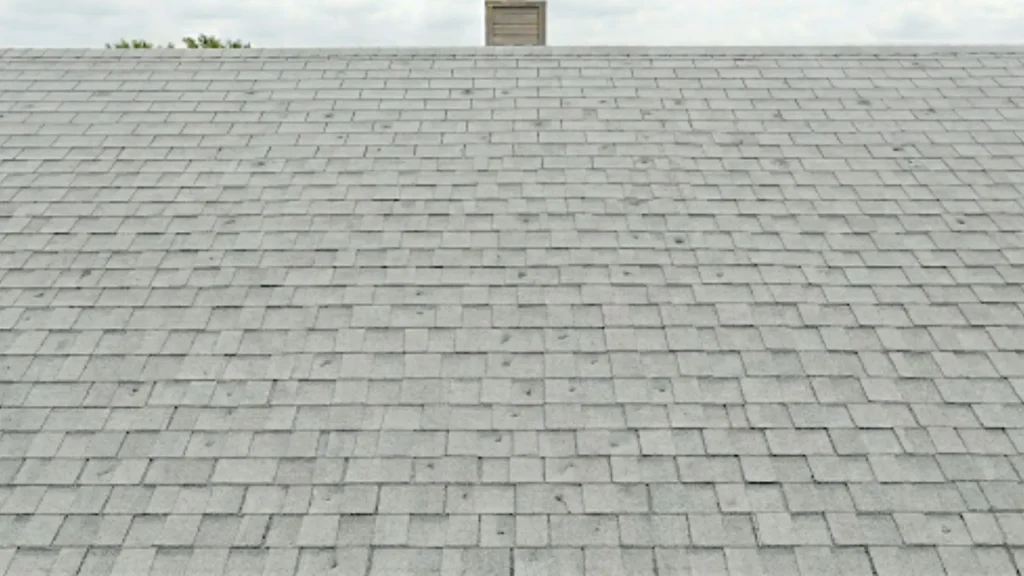
Why Hail Damage Is a Bigger Decision Than Most Homeowners Realize
If you've had hail in the past 12 months, three things are probably happening at once. A roofing contractor knocked on your door and said your roof needs replacement. Your insurance company is asking questions. And you're staring down a $20,000 to $40,000 decision with no easy way to verify whether it's actually necessary.
Here's the gap most homeowners never see: there's a difference between hail damage that requires replacement and hail damage that can be addressed through structural reinforcement of the existing roof. The roofing contractor at your door is incentivized to recommend replacement. The insurance adjuster is incentivized to limit payout. Neither party benefits from explaining the third option to you.
This article walks through how to identify hail damage on your asphalt shingle roof, what your insurance policy actually covers (and what it doesn't), the UL 2218 Class 4 impact resistance standard that has quietly become the centerpiece of modern roof protection, and how Structural Roof Rejuvenation provides a documented alternative to replacement for roofs that are still structurally sound.
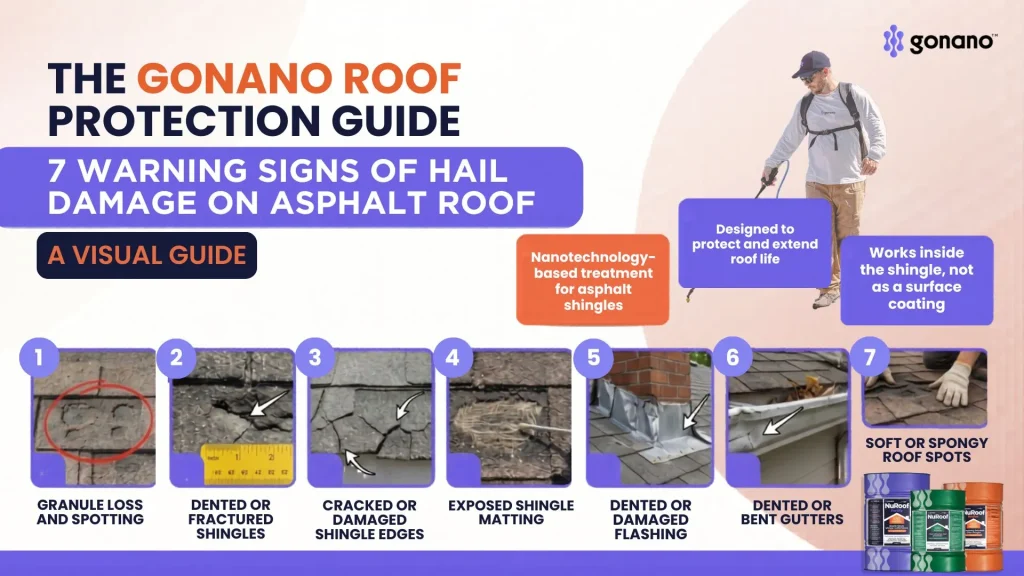
The 7 Warning Signs of Hail Damage
Identifying hail damage early is critical because most homeowners insurance policies have strict time windows for filing claims after a storm event. Miss the window and you're paying out of pocket. But identifying the damage correctly also matters because it determines which response is appropriate: repair, replacement, or rejuvenation.
Here are the seven warning signs to look for after a hail event:
1
Granule loss in gutters and downspouts
Asphalt shingles are protected by a layer of ceramic-coated granules. Hail impact knocks these granules loose. If you find sand-like material accumulating in your gutters or at the bottom of downspouts after a storm, the granule layer on your shingles is compromised.
2
Dented or bruised shingles
Direct hailstone impact leaves visible indentations on shingle surfaces. These dents may not look severe from the ground, but the impact has weakened the shingle structure and accelerated the aging process. Run your hand across the shingles; bruises often feel like soft spots.
3
Cracked shingle edges
Hail impact can split shingle edges, particularly on aging roofs where the asphalt has already become brittle. These cracks create direct water entry points and worsen rapidly with subsequent weather exposure.
4
Exposed asphalt mat
When granule loss is severe enough, the underlying asphalt mat becomes visible. This appears as darker patches against the granulated shingle surface. Exposed mat ages 3 to 5 times faster than a properly granulated shingle and is a leading indicator of imminent failure.
5
Damaged metal flashing
Hail dents in the metal flashing around chimneys, vents, skylights, and roof edges are often easier to spot than shingle damage. They also indicate where hail hit hardest, which tells you where to look more carefully at adjacent shingles.
6
Dented gutters, vents, and downspouts
Hail damage to roof accessories such as gutters, vents, exhaust caps, pipe boots, and turbine ventilators is highly visible and serves as a proxy indicator. If these components are dented, the shingles likely experienced comparable impact.
7
Soft spots underfoot
Walking on a hail-impacted roof, bruised areas often feel soft or spongy underfoot compared to surrounding shingles. This is a job for a qualified contractor, not a homeowner. If you've had a roof inspection, ask whether any soft spots were identified.
What Insurance Actually Covers (And What It Doesn't)
The insurance landscape for hail-damaged roofs has changed significantly in the past five years, and most homeowners aren't aware of it. The shift from RCV to ACV coverage on roof claims is happening across major carriers, particularly in hail-prone regions like Texas, Colorado, Oklahoma, and the Canadian Prairies.
Here's what that means in practice. If your roof is 15 years old and a hailstorm causes $25,000 in damage, an RCV policy pays the full $25,000 (less your deductible) for a new roof. An ACV policy depreciates the existing roof based on its age, potentially leaving you with only $10,000 to $12,000 in coverage for the same damage. The remaining $13,000 to $15,000 comes out of your pocket.
RCV — Replacement Cost Value
$25,000
Full cost of new materials, less your deductible.
ACV — Actual Cash Value
$10–12k
Depreciated value — leaving $13,000–$15,000 out of pocket on the same $25,000 of damage.
This is one of the reasons Structural Roof Rejuvenation has become an increasingly attractive option for homeowners in hail-prone regions. It costs a fraction of roof replacement, doesn't require an insurance claim, and, when applied before damage occurs, may qualify the roof for premium discounts with carriers that recognize Class 4 impact resistance.
Three insurance questions to ask after a hail event
1.
Is my roof covered under RCV or ACV terms? Read the actual policy language. Don't rely on what the agent says verbally.
2.
What is my deductible for hail-related claims specifically? Many policies carry separate, higher deductibles for storm damage.
3.
Does my carrier offer premium discounts for Class 4 impact resistance? Many do. Few homeowners know to ask.
UL 2218 Class 4: The Impact Resistance Standard
That Changes the Math
Most homeowners have never heard of UL 2218. It is, however, the single most important standard in the conversation about hail damage on asphalt shingle roofs. Understanding what it measures changes how you evaluate every other option in this article.
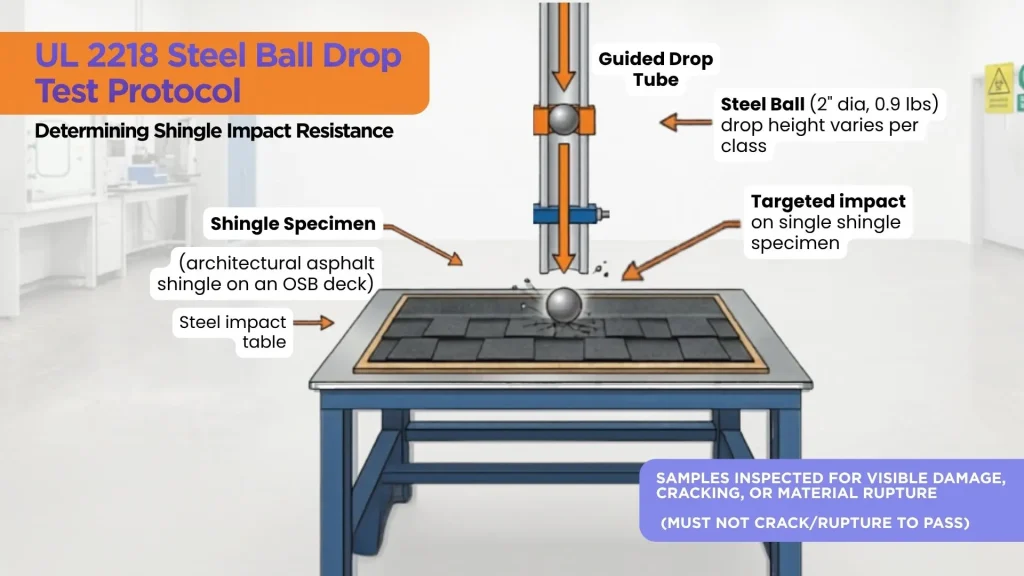
UL 2218 was developed by UL Solutions, the independent testing organization that has set safety standards in North America since 1894. The protocol is straightforward: steel balls of specified diameters are dropped from specified heights onto roofing material samples, and the material is graded based on whether it cracks, splits, or maintains integrity under impact. Class 1 is the lowest grade. Class 4 is the highest.
Class
1
1.25″ ball
Class
2
1.50″ ball
Class
3
1.75″ ball
Class
4
2.00″ ball • highest
Standard architectural asphalt shingles typically meet Class 2 or Class 3 under UL 2218. Premium impact-resistant shingle products meet Class 4, but they cost significantly more than standard shingles and often require a new roof installation to obtain the rating.
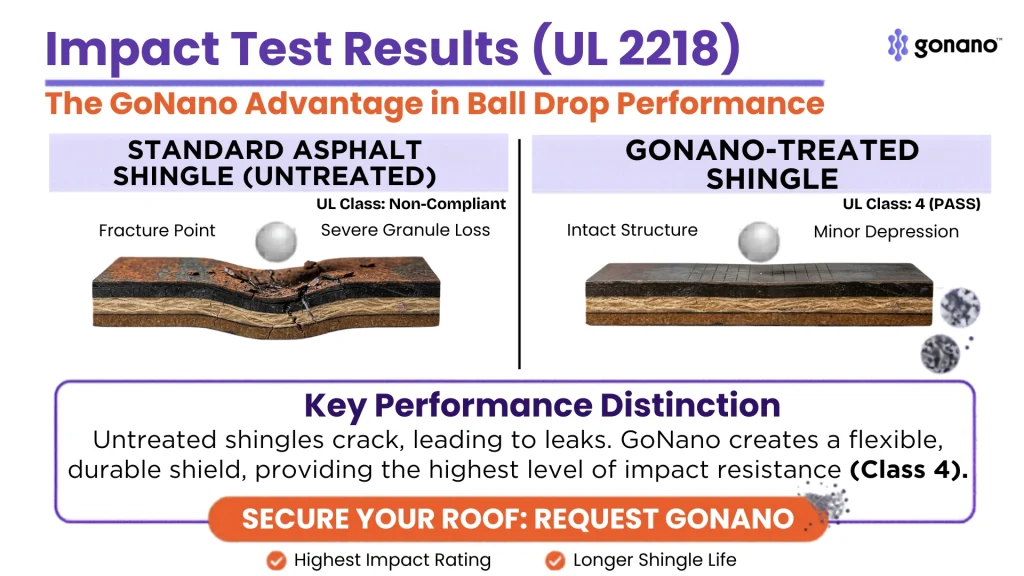
This is the central insight that most homeowners miss when comparing roof replacement against alternative treatments. The class rating of a shingle is not fixed at manufacture. It can be improved through molecular-level treatment of the existing shingle, without removing or replacing it.
The implications are significant. A roof that would have been considered a candidate for full replacement because its Class 2 or Class 3 shingles can't withstand future hail can instead be treated to Class 4 performance and qualify for the same insurance premium discounts that drive homeowners toward expensive replacement in the first place.
Why "Nano" Is Not Just Another Roof Coating
There is confusion in the roof rejuvenation market about what "nano" actually means. Several products marketed as "nano coatings" are surface-level treatments that do, in fact, sit on top of the shingle. These are not what Structural Roof Rejuvenation refers to.
The distinction matters for three reasons:
Where the product works
A coating, by definition, forms a layer on the shingle surface. That layer is exposed to the same UV radiation, freeze-thaw cycles, and weather conditions that age the shingle itself which means coatings degrade on roughly the same timeline as the underlying material. Structural Roof Rejuvenation works at the molecular level within the shingle, where it is protected from surface weathering.
How it lasts
Because the molecular bond is internal to the shingle, it persists for the life of the treated material. This is why GoNano NuRoof products carry hard warranties of 10 years (Revive) and 15 years (Fortify) not the 4–5 year reapplication cycles typical of surface treatments.
How it tests
Coatings can be tested for surface adhesion, weatherability, and appearance retention. Structural Roof Rejuvenation is tested under the same protocols as the underlying shingle UL 2218 for impact resistance, ASTM D3161 for wind resistance, UL 790 for fire resistance because it is, structurally, an enhancement of the shingle rather than a layer applied to it.
The 40 to 60 nanometer particle size is what makes this possible. At that scale, particles are small enough to enter the natural pores and microfissures of the asphalt shingle, where they react chemically with the surrounding material to form new molecular linkages (called S1 particles). For perspective: a single sheet of paper is approximately 150,000 nanometers thick. The nanoparticles GoNano uses are roughly 2,500 times smaller than a sheet of paper.
How to Decide: Replacement, Repair, or Rejuvenation
This is the question every homeowner with a hail-affected roof actually wants answered, and it's the question most contractor conversations skip over. Here's an honest framework for thinking through it.
When Replacement is Right
There are situations where replacement is genuinely the correct response. If your roof has widespread structural damage, multiple missing shingles, active interior leaks, or visible sagging, replacement is the right call. If your shingles are older than 20 years and have reached the end of their service life, replacement often makes sense. If your roof has been previously treated and is now failing, replacement may be the most appropriate solution.
When Repair is Right
Localized damage on an otherwise sound roof is often a candidate for spot repair. A single area of granule loss, a few cracked shingles, or damaged flashing in one location can frequently be addressed by replacing the affected materials and inspecting adjacent areas. This is the most common appropriate response to minor hail events.
When Rejuvenation is Right
Structural Roof Rejuvenation is appropriate when the underlying shingle structure is intact but aging, and the homeowner wants to extend the service life of the existing roof before failure occurs. In the context of hail specifically, treatment is most valuable as a preventive measure applied before significant damage to upgrade the roof's impact resistance class though Revive can also be applied to aging roofs that have experienced minor hail-related deterioration.
One thing many homeowners don't realize is that waiting is also a decision. Hail damage doesn't typically get better with time. What starts as minor granule loss or bruising can become a bigger problem as the roof continues to face sun exposure, temperature swings, rain, and seasonal weather. That's why it's important to have the roof evaluated sooner rather than later. In many cases, catching issues early gives homeowners more options, whether that's a simple repair, GoNano Structural Roof Rejuvenation, or another solution that helps avoid a premature roof replacement.
The decision is not always obvious from the ground. A qualified Certified GoNano Contractor will perform a free roof assessment and give an honest opinion including telling you when your roof is not a good candidate for treatment.
What to Ask a Contractor After a Hail Event
After a major hail event, contractors will appear at your door. Most are legitimate. Some are not. The questions below filter the difference and protect you from both fraud and unnecessary expense. For a longer list of questions to ask any roofing contractor not just for hail damage see our full homeowner contractor checklist.
1
Are you licensed and insured in this jurisdiction?
Ask for proof. Photograph their insurance certificate. A legitimate contractor expects this and provides it without hesitation.
2
What is the UL 2218 class rating of the materials or treatment you're proposing?
If the contractor can't answer specifically, they don't know the standard well enough to advise you on hail resistance.
3
Is your recommended response repair, replacement, or treatment? Why?
A contractor who immediately recommends replacement without considering repair or treatment options should be questioned.
4
What is the warranty? Is it a hard warranty or an "up to" warranty? Is it transferable?
A 15-year hard warranty is different from a 15-year "up to" warranty. Get it in writing.
5
Who backs the warranty you personally, or the product manufacturer?
A warranty issued by the individual contractor is only valid as long as that contractor is in business. A manufacturer-backed warranty is significantly more durable.
6
Can I see three references from local jobs you've completed in the past 12 months?
Call them. Visit one if you can.
7
Are you a Certified GoNano Contractor?
If you're considering Structural Roof Rejuvenation specifically, treatment must be applied by a Certified GoNano Contractor for the warranty to be valid. There are over 420 Certified GoNano Contractors across Canada and the United States.
Find a Certified Contractor Near You
Secure your roof's future with the world's only Structural Roof Rejuvenation technology.
Frequently asked questions
What are the signs of hail damage on an asphalt shingle roof?
The seven signs of hail damage on an asphalt shingle roof are: granule loss in gutters and downspouts, dented or bruised shingles, cracked shingle edges, exposed asphalt mat, damaged metal flashing, dented gutters or roof vents, and soft spots underfoot. Most require a roof-level inspection by a qualified professional to identify accurately.
Does insurance cover hail damage to a roof?
Most homeowner insurance policies cover hail damage to roofs under either Replacement Cost Value (RCV) or Actual Cash Value (ACV) terms. RCV pays the full replacement cost. ACV pays the depreciated value, leaving homeowners to cover the difference. Carriers are increasingly shifting to ACV terms in hail-prone regions.
Is there an alternative to roof replacement for hail damage?
Yes. For roofs that are structurally intact but aging, Structural Roof Rejuvenation is a documented alternative to replacement. Independent UL 2218 testing has shown that nano-treated asphalt shingles can be elevated to Class 4 impact resistance the highest classification without removing the existing roof, at a fraction of replacement cost.
What is UL 2218 Class 4?
UL 2218 Class 4 is the highest classification for impact resistance in North American roofing materials. It is awarded based on steel ball drop testing conducted by UL Solutions. Class 4 performance is widely recognized by insurance carriers and often qualifies homeowners for premium discounts on hail coverage in storm-prone regions.
Can GoNano be applied to a roof that already has hail damage?
GoNano is a preventive and restorative treatment for structurally sound shingles, not a repair for severely damaged ones. For roofs with localized hail damage but intact overall structure, the damaged shingles are typically replaced first, and then GoNano NuRoof Revive can be applied to upgrade the roof's impact resistance and prevent future damage.
Is GoNano a coating?
No. GoNano is not a coating. Coatings sit on top of the shingle surface and eventually crack or peel. GoNano's nanosilica particles, measuring 40 to 60 nanometers, penetrate into the shingle and form new molecular bonds with the asphalt itself. This is why the category is called Structural Roof Rejuvenation rather than a coating.
How does GoNano roof treatment improve hail resistance?
Nano roof treatment improves hail resistance by penetrating the shingle structure and reinforcing it at the molecular level. Independent UL 2218 testing has shown that one application elevates Class 1 shingles to Class 3 impact resistance. A second application elevates them to Class 4 — the highest classification available.
How much does Structural Roof Rejuvenation cost compared to roof replacement?
A full asphalt shingle roof replacement in North America typically costs $20,000 to $40,000. Structural Roof Rejuvenation costs a fraction of that — exact pricing varies by region, roof size, and condition. Because one treatment carries a hard warranty of 10 to 15 years, total cost of ownership is substantially lower than replacement.
Do I need an insurance claim to have GoNano applied?
No. Structural Roof Rejuvenation does not require an insurance claim. Many homeowners choose treatment specifically because it avoids the claims process, deductibles, and potential premium impacts that come with filing. It can also be applied before damage occurs, as a preventive measure that may qualify the roof for future premium discounts.
Who can install GoNano NuRoof for hail protection?
GoNano NuRoof products must be installed by a Certified GoNano Contractor for the warranty to be valid. There are over 420 Certified GoNano Contractors across Canada and the United States. The warranty is backed by GoNano directly, not by the individual contractor, which means it remains valid if the contractor changes business status.