Why Weather Resistance Comes Down to Flexibility
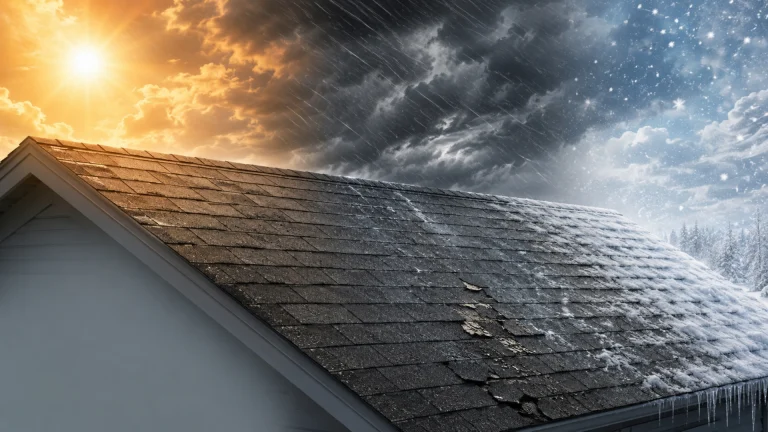
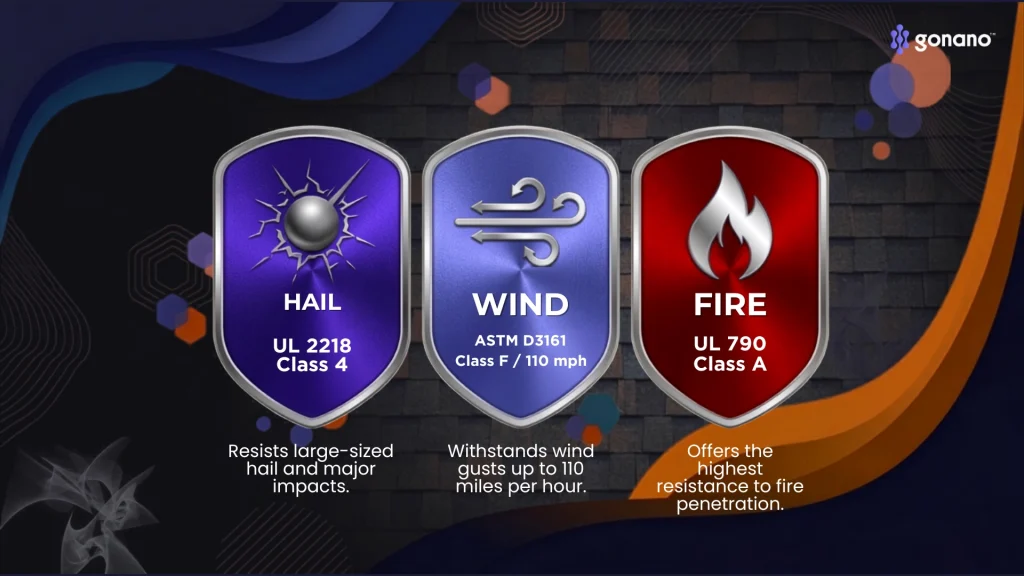
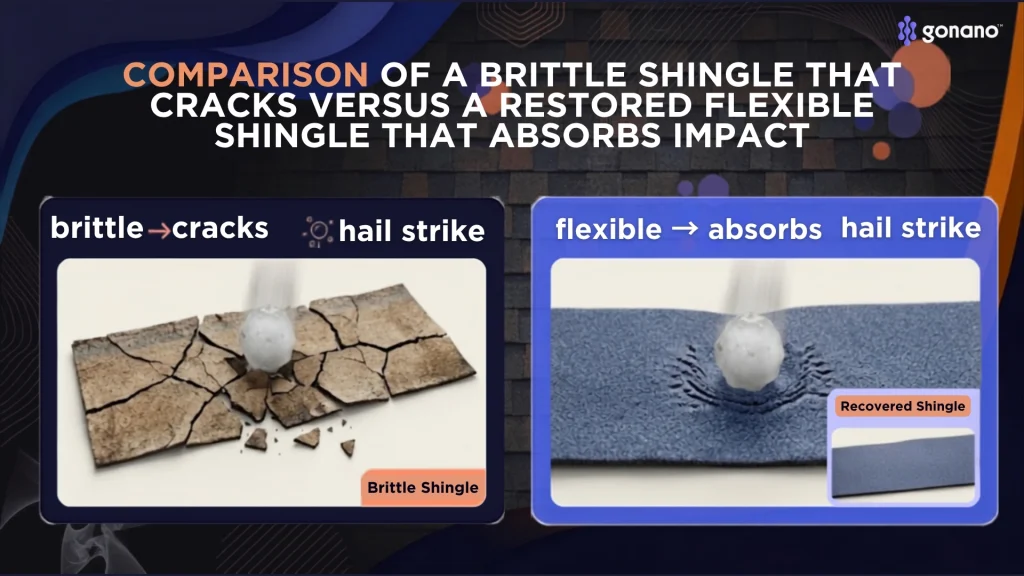
Most severe-weather damage exploits the same weakness: brittleness. A dried-out shingle that's lost its oils, which is how climate extremes age your roof, can't absorb a hail strike, flex in high wind, or hold its seal, so it cracks, lifts, and tears. Restoring flexibility is what lets a shingle take a hit and recover.
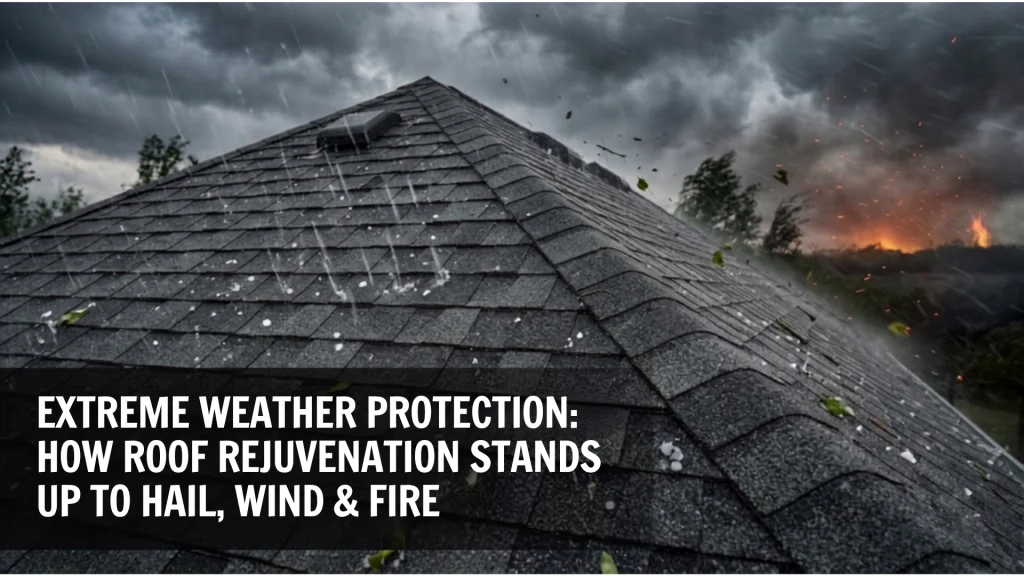
That's why Structural Roof Rejuvenation and weather resistance are the same conversation: a flexible, reinforced shingle is a more weather-resistant shingle.
Hail: Impact Resistance (UL 2218 Class 4)
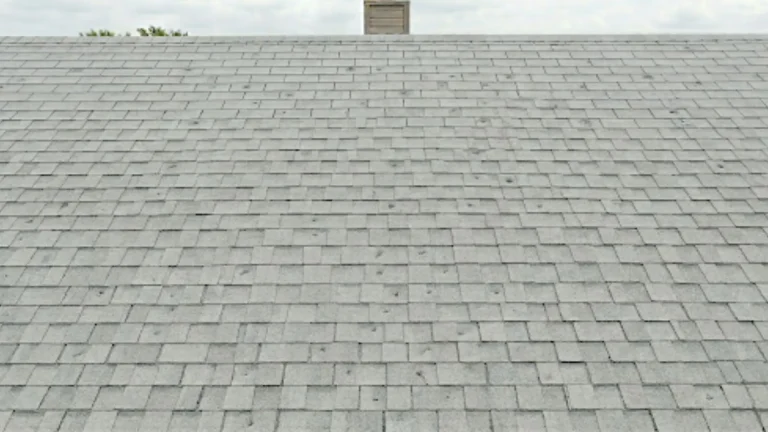
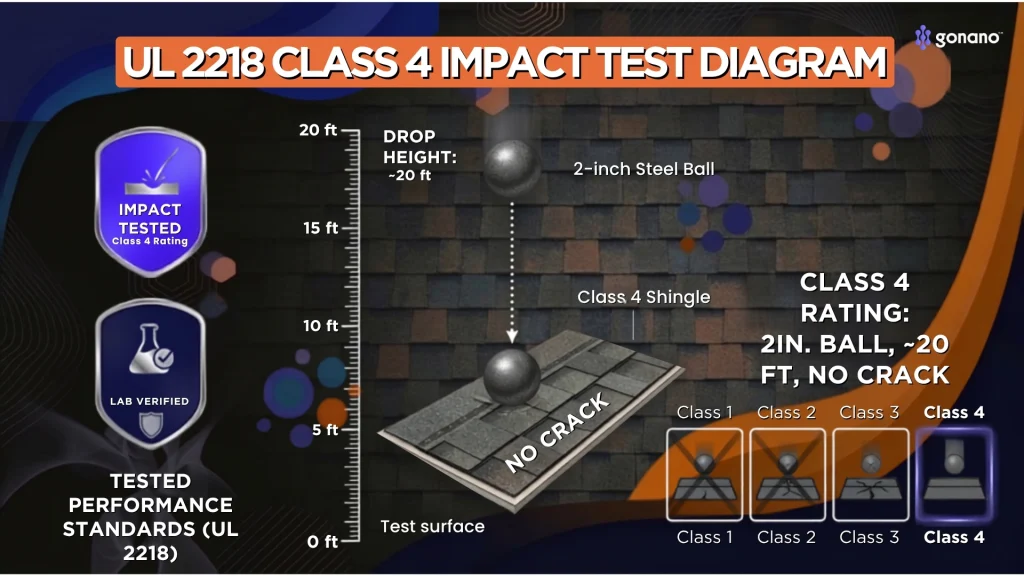
Hail is the big one, and it's a search space few roofing brands address directly. UL 2218 is the recognized North American standard for impact resistance, rated Class 1 to Class 4, with Class 4 being the highest, meaning a shingle withstands a 2-inch steel ball dropped from about 20 feet without cracking. GoNano's system is independently tested to UL 2218 Class 4.
For homeowners in hail-prone regions, a Class 4 rating is also the level many insurers recognize for impact-resistant roofing, so it's worth asking your insurer about.
Wind: ASTM D3161 Class F (110 mph)
Wind damage starts at the edges, lifting and peeling shingles until water gets underneath. ASTM D3161 is the standard wind-resistance test, and Class F is rated to 110 mph, the highest class in that test method. GoNano's system is independently tested to ASTM D3161 Class F, meaning treated shingles are validated to hold their seal and resist lift at severe wind speeds.
Fire: UL 790 Class A
UL 790 rates a roof covering's resistance to fire exposure from outside the building, with Class A the highest rating. GoNano's system carries UL 790 Class A, an important credential anywhere wildfire or ember exposure is a concern.
Does It Actually Hold Up? The Real-World Proof
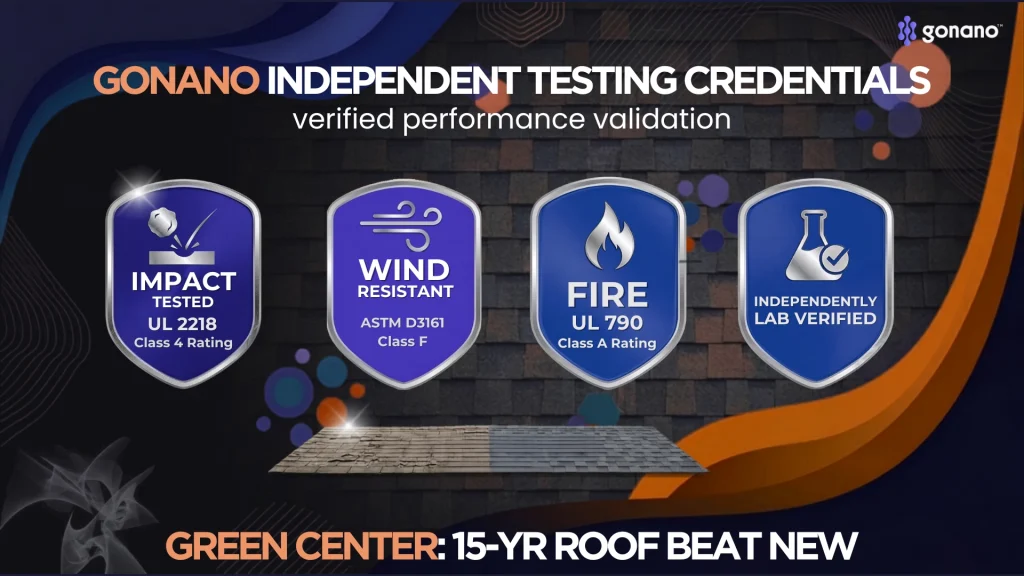
Standards testing tells you how a product performs in a lab; the more convincing proof is how a treated roof performs against a new one. In testing at Green Center (now Impact Chemistry), a 15-year-old roof treated with NuRoof Revive outperformed a roof with brand-new shingles, which is worth reading alongside the question of does roof rejuvenation actually work.
That's the headline result: rejuvenation didn't just slow an old roof's decline, it brought a decade-and-a-half-old roof past the performance of new shingles. All told, GoNano's system is backed by more than $1 million in independent testing across impact, wind, fire, granule loss, tear strength, and molecular aging.
What This Means for Your Roof
If you live where hail, wind, or wildfire is a real risk, and your roof is aging but structurally sound, rejuvenation is a way to buy back both life and weather resistance without a full replacement. A single GoNano application carries a warranty up to 20 years, 100% non-prorated on the full treatment, and it's transferable. The premium Fortify Elite treatment adds dedicated hail coverage.
As always, treatment is for a roof that's aging but sound, so it's worth confirming whether your roof is a candidate. A failed roof needs replacement, and a Certified GoNano Contractor will tell you which one you have.
The Bottom Line
Weather resistance is really about flexibility, and rejuvenation restores it, with independent testing to the recognized impact, wind, and fire standards to back it up. If your roof faces hard weather, restoring it is a way to protect it, not just prolong it.
Find a Certified GoNano Contractor near you to protect your roof before the next storm season.
Find a Certified Contractor Near You
Secure your roof's future with the world's only Structural Roof Rejuvenation technology.
Frequently asked questions
Can roof rejuvenation help against hail damage?
Yes. Hail damage exploits brittle shingles; rejuvenation restores flexibility so shingles can absorb impact. GoNano's system is independently tested to UL 2218 Class 4, the highest impact-resistance class.
What is the best roof treatment for hail resistance?
Look for a treatment independently tested to UL 2218, where Class 4 is the highest rating. GoNano's Structural Roof Rejuvenation is tested to UL 2218 Class 4.
What is a UL 2218 Class 4 rating?
UL 2218 is the North American impact-resistance standard, rated Class 1 to 4. Class 4, the highest, means a shingle withstands a 2-inch steel ball dropped from about 20 feet without cracking.
Can a treatment make my shingles more wind resistant?
Yes. Wind damage starts by lifting shingle edges; restoring flexibility and seal helps them resist lift. GoNano's system is tested to ASTM D3161 Class F, rated to 110 mph.
How fast a wind can the treatment withstand?
GoNano is independently tested to ASTM D3161 Class F, the highest class in that method, rated to 110 mph.
Is the treatment fire resistant?
GoNano's system carries UL 790 Class A, the highest fire-resistance rating for a roof covering's resistance to external fire exposure, which is relevant in wildfire and ember-exposure areas.
Does rejuvenation really protect as well as a new roof?
In testing at Green Center (now Impact Chemistry), a 15-year-old roof treated with NuRoof Revive outperformed a roof with brand-new shingles, and the system carries over $1M in independent testing.
Will a Class 4 rating help with my insurance?
A UL 2218 Class 4 impact rating is the level many insurers recognize for impact-resistant roofing, so it's worth asking your insurer. Coverage and discounts vary by insurer and region.
Does hail or wind resistance work on an older roof?
It works on an aging-but-sound roof by restoring the flexibility a dried-out shingle has lost. A failed or leaking roof needs replacement instead.
How do I get weather protection for my roof?
Have a Certified GoNano Contractor assess your roof, confirm it's a candidate, and apply the treatment, with a warranty up to 20 years, non-prorated on the full treatment, and dedicated hail coverage on the premium Fortify Elite treatment.