What Are Shingle Granules and Why They Matter
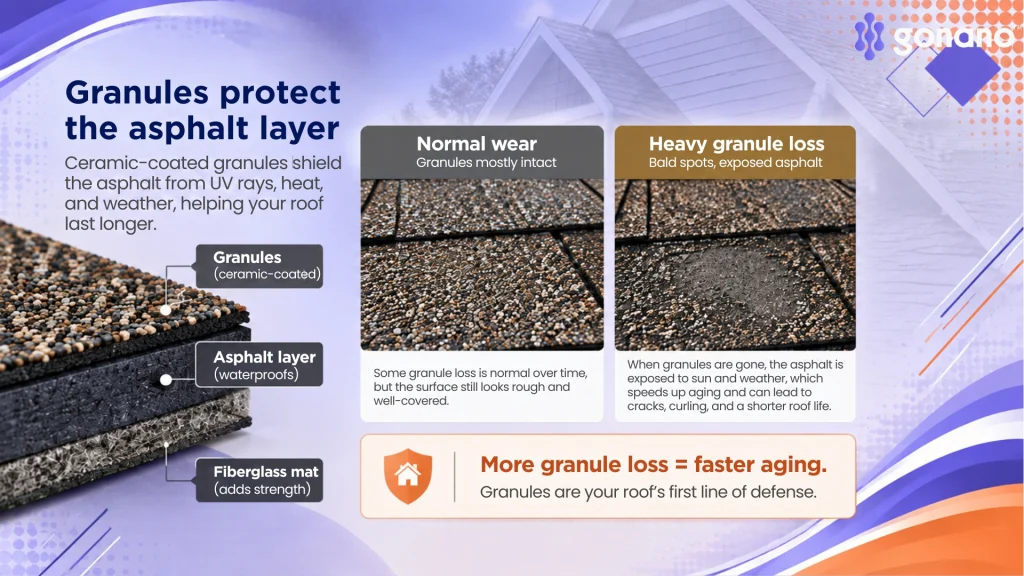
The colored mineral granules on an asphalt shingle aren't just for looks. They form a protective layer that shields the underlying asphalt from UV rays and weather. As granules wear away, the asphalt beneath is exposed, dries out faster, and ages more quickly. So granule loss isn't only a symptom of aging. It accelerates it.
Is Granule Loss Normal?
Some granule loss is normal, in two situations especially:
01
Right after installation.
New roofs shed loose granules left over from manufacturing. This is expected and temporary.
02
Gradually over years.
A slow trickle over a roof's life is normal wear.
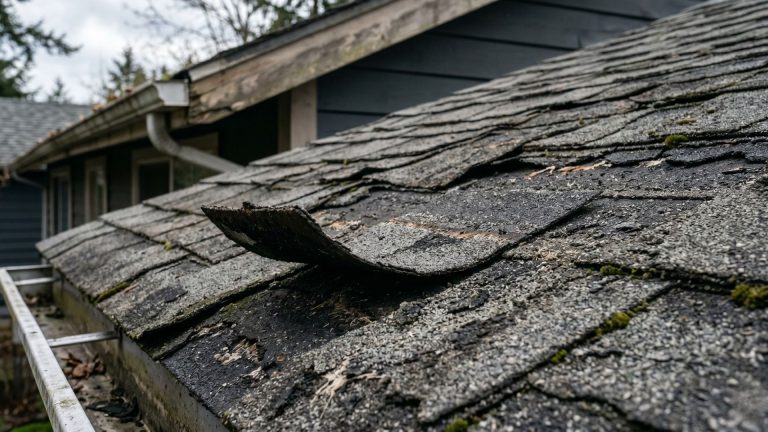
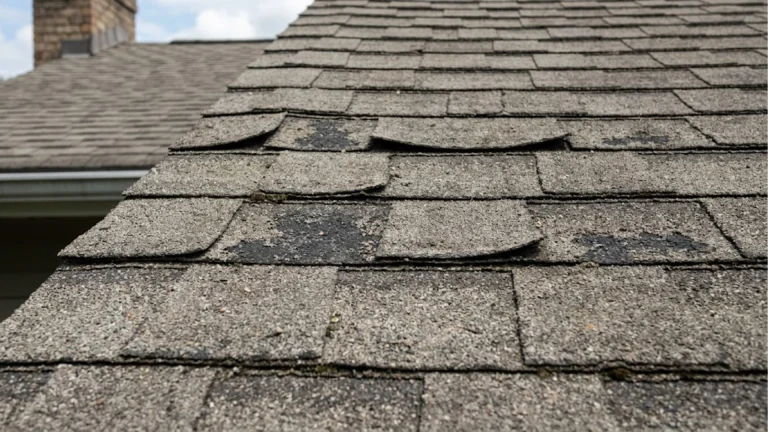
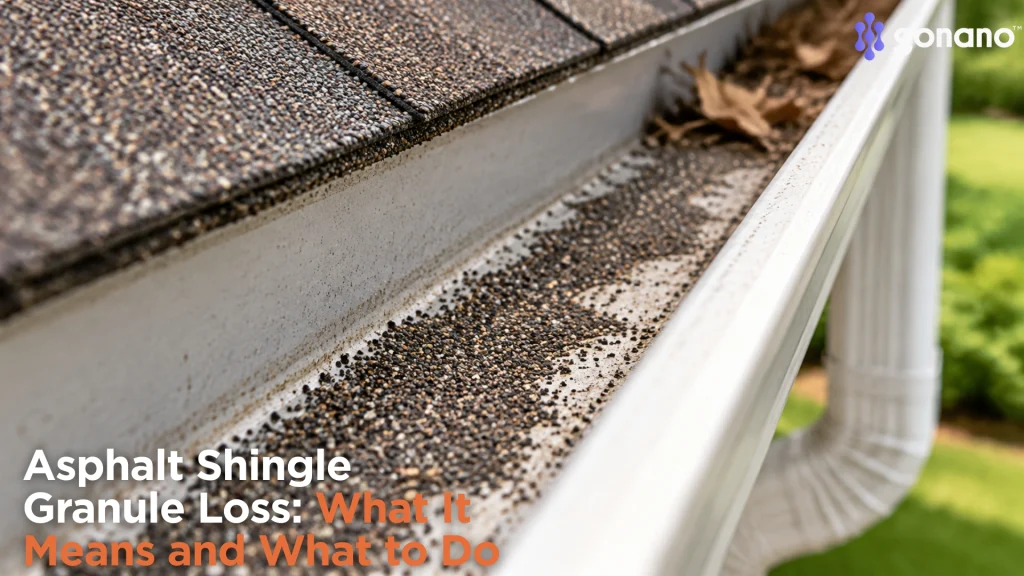
What's not normal is heavy or sudden granule loss: enough to visibly collect in gutters and downspouts, or bare spots appearing on the shingles. That signals the roof is entering the aging window and losing its protection. See the full set of signs your roof is aging.
What Causes Granule Loss
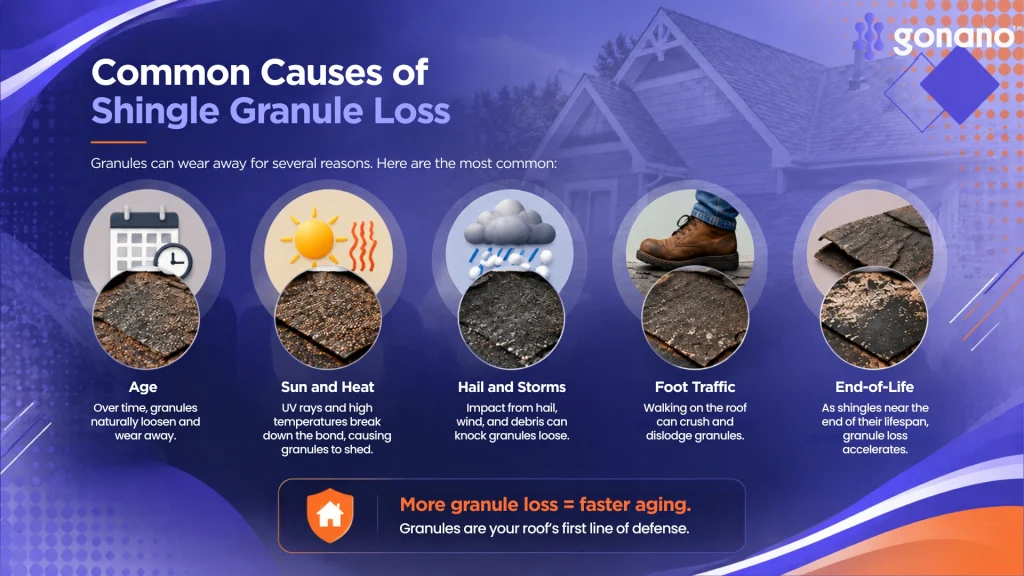
Beyond normal wear, the common causes are:
01
Age and oil depletion. As shingles lose the oils that bind everything together, granules loosen and shed.
02
Sun and heat. UV and thermal cycling break down the shingle surface and its grip on the granules.
03
Storms and hail. Impact knocks granules off directly; a single hailstorm can strip large areas. Learn how rejuvenation stands up to hail.
04
Foot traffic. Walking on a roof grinds granules loose.
05
Poor-quality or end-of-life shingles. Some shed heavily as they reach the end of their service life.
Where to Look for It
You don't need to climb up. Check:
Gutters and downspouts
Sandy, grit-like buildup is the clearest early sign.
The ground below downspout outlets
Granules collect there after rain.
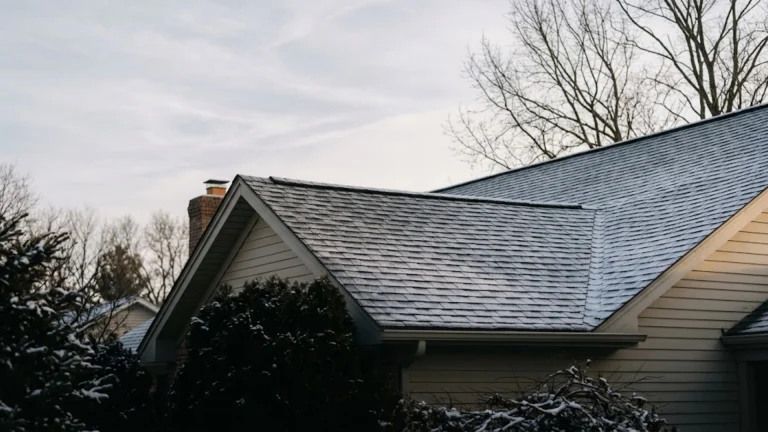
The roof itself, from the ground
Dark or bald patches where the black asphalt shows through.
Why Granule Loss Matters for Your Roof's Life
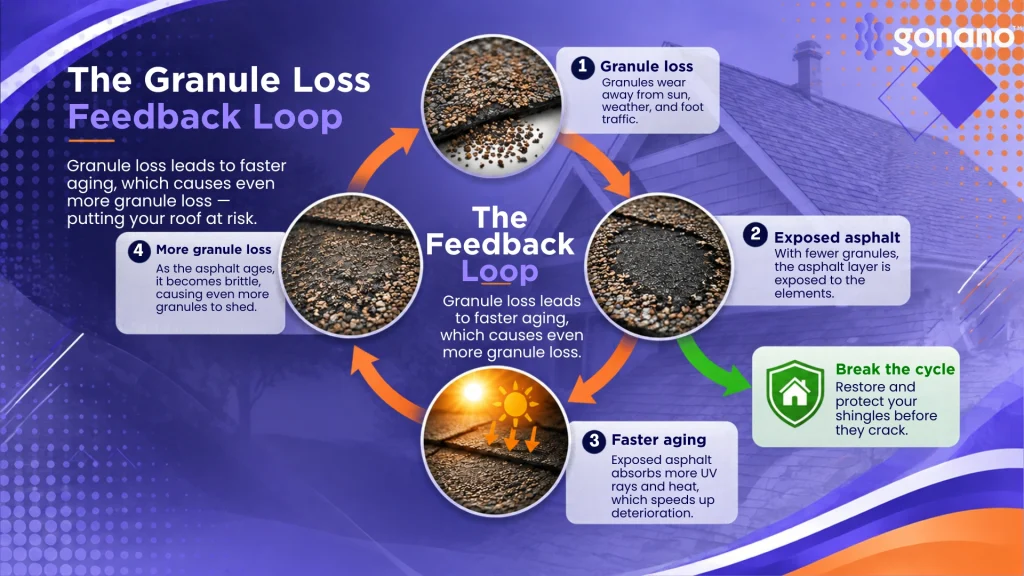
Once granules are gone, the exposed asphalt is unprotected from UV, so it dries, hardens, and cracks faster. Left alone, granule loss becomes a feedback loop: less protection leads to faster aging, which leads to more granule loss. Catching it early is what keeps a roof in the treatable window instead of pushing it toward replacement.
What to Do About Granule Loss
If it's a new roof: minor early shedding is fine. Just monitor it.
If it's heavy, sudden, or after a storm: get a professional inspection; storm damage may be repairable or insurable.
If it's a gradual sign of an aging-but-sound roof: this is the ideal window to restore the shingles before the exposed asphalt cracks. Structural Roof Rejuvenation replenishes the oils aging shingles lose and adds nano-penetrating reinforcement that bonds with the shingle at the molecular level, restoring flexibility and slowing further deterioration.
GoNano's system is backed by more than $1 million in independent testing, including a Green Center (now Impact Chemistry) test in which a 15-year-old roof treated with NuRoof Revive outperformed a roof with brand-new shingles. It also holds UL 2218 Class 4 (impact), ASTM D3161 Class F (wind, rated to 110 mph), and UL 790 Class A (fire). A single GoNano application carries a warranty up to 20 years, 100% non-prorated on the full treatment, and it's transferable.

The Bottom Line
Granules in the gutter are your roof's early warning light. A little is normal; a lot means your roof is aging and losing its protection. Act while the roof is still sound and you can restore it. Find out whether your roof is a candidate. Wait until the exposed asphalt cracks, and replacement becomes the only option.
Find a Certified GoNano Contractor near you to check whether your granule loss is normal wear or a sign it's time to restore.
Find a Certified Contractor Near You
Secure your roof's future with the world's only Structural Roof Rejuvenation technology.
Frequently asked questions
What is asphalt shingle granule loss?
It's shingles shedding the protective mineral surface that shields the asphalt beneath from UV and weather. Heavy or ongoing loss is one of the earliest signs a roof is aging.
Is granule loss normal?
Some is. New roofs shed loose manufacturing granules early on, and a slow trickle over years is normal wear. Heavy or sudden loss that collects in gutters is not. It signals aging.
Why is my roof losing granules?
Common causes are age and oil depletion, sun and heat breaking down the surface, storm and hail impact, foot traffic, and end-of-life shingles.
Where do I check for granule loss?
In your gutters and downspouts (sandy grit), on the ground below downspout outlets after rain, and on the roof itself from the ground (dark or bald patches).
Is granule loss after a storm serious?
It can be. Hail and high wind knock granules off directly and can strip large areas. Get a professional inspection. Storm damage may be repairable or insurable.
Does granule loss shorten my roof's life?
Yes. Once granules are gone, the exposed asphalt dries and cracks faster, creating a feedback loop of accelerating aging. Catching it early keeps the roof in the treatable window.
How do I stop granule loss?
You can't stop normal wear, but if the roof is aging but sound, rejuvenation restores the oils and flexibility that hold everything together and slows further deterioration.
Is a little granule loss on a new roof a problem?
No. New roofs shed loose leftover granules from manufacturing for a while. That's expected. Ongoing heavy loss later on is the concern.
Can a roof losing granules be restored instead of replaced?
Often yes, if it's aging but structurally sound with no active leaks. If the asphalt has already cracked widely or the roof is failing, replacement is the right call.
What should I do if I find granules in my gutters?
Have a Certified GoNano Contractor assess the roof to tell you whether it's normal wear or a sign the roof is aging and ready to be restored.